
Israel Rejects U.N. Vote On Two-State Solution, Declares 'No Palestinian State Will Be Established'
By Dennis Udoma, Uyo
Israel has issued a defiant response following the United Nations’ latest resolution in support of a two-state solution, aimed at granting Palestinians sovereign statehood alongside Israel.
The resolution, backed by a majority of U.N. member states, has once again reignited the long-standing international debate over peace and statehood in the Middle East.
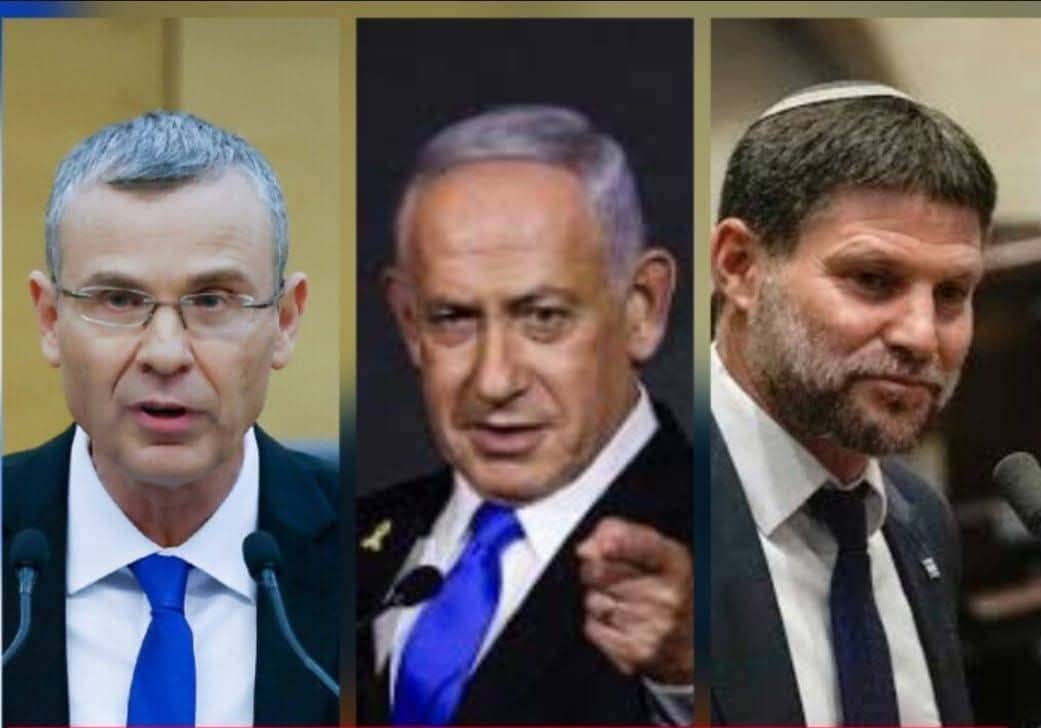
Speaking in unison, Israel’s top leaders strongly rejected the proposal, sending a clear message to the global community.
Finance Minister Bezalel Smotrich declared that “silence is unacceptable” in the face of what he described as continued international pressure to divide Israel.
Justice Minister Yariv Levin went further, stressing that “a Palestinian state will never be established.”
Prime Minister Benjamin Netanyahu, in his characteristic firm tone, underscored Israel’s position saying, “There will be no Palestinian state.
This place is ours; ” His words reflect the government’s long-held stance against ceding territory or granting full sovereignty to the Palestinians under current conditions.
The U.N. resolution, non-binding but symbolic, comes at a time of heightened tensions in the region.
It reflects global frustration with the stalled peace process, which has seen little progress since the breakdown of direct negotiations nearly a decade ago.
Supporters of the resolution argue that a two-state solution remains the only viable path to lasting peace, ensuring security for Israel, while granting Palestinians the right to self-determination.
However, Israel’s rejection highlights the widening gap between international opinion and its domestic leadership.
Critics argued that continued refusal to engage in negotiations could deepen isolation for Israel on the world stage. But Netanyahu and his allies insist that a Palestinian state would pose an existential threat, given the history of terrorism, rocket attacks, and political instability in territories controlled by Palestinian factions.
Reactions have been swift. Palestinian leaders welcomed the U.N.’s renewed push, describing it as a recognition of their legitimate struggle for independence. The Palestinian Authority in Ramallah urged the international community to pressure Israel into compliance, while Hamas in Gaza called the resolution a partial victory but reiterated its commitment to resistance.
Across the world, responses were mixed. The United States, Israel’s staunchest ally, has historically supported a two-state solution but has grown more cautious about pressing Netanyahu’s hardline government.
European powers, including France and Germany, reiterated their support for Palestinian statehood, while calling for restraint on both sides.
Meanwhile, several Arab nations used the U.N. debate to renew calls for an end to Israeli settlement expansion in the West Bank.
Analysts say, the Israeli government’s categorical rejection of the resolution signals a hardening of its diplomatic stance. Domestically, the declarations play well with Netanyahu’s right-wing base, but they also raise questions about Israel’s long-term security strategy, given demographic realities and ongoing unrest.
For now, the gap between international diplomacy and Israel’s leadership remains vast. While the U.N. insists that peace can only come through the two-state framework, Israel’s leaders have made it clear: such a state will not emerge under their watch.
The future of the Israeli-Palestinian conflict, already one of the world’s most protracted disputes, appears as uncertain as ever.