NewsLEAD STORY
Borno Police Arrest 6 Phone Theft Suspects, Recover N5.6m Stolen from Victim's Account
By Ahmed Liman Kingimi, MaiduguriThe Borno State Police Command has arrested six suspects for allegedly stealing a mobile phone and fraudulently …
 DAYLIGHTREPORTERSTHE NEWS FIRST.
 Borno Police Arrest 6 Phone Theft Suspects, Recover N5.6m Stolen from Victim's Account
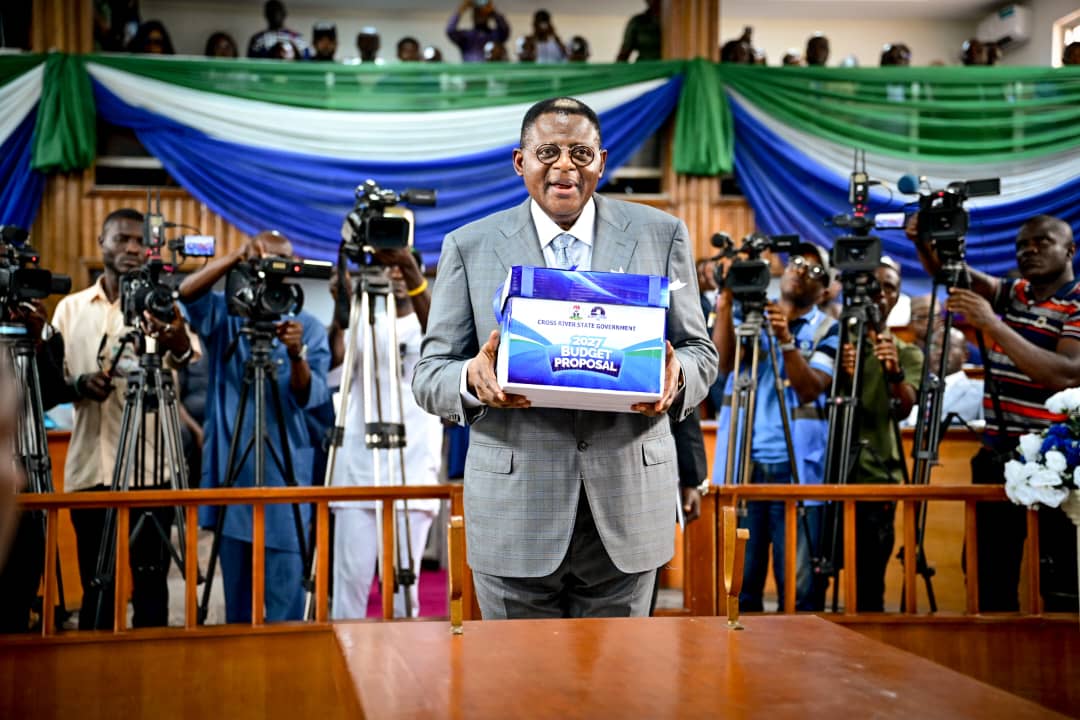 Governor Otu Presents ₦987.8bn 2027 Budget to House of Assembly, Allocates ₦708.4bn for Capital Projects
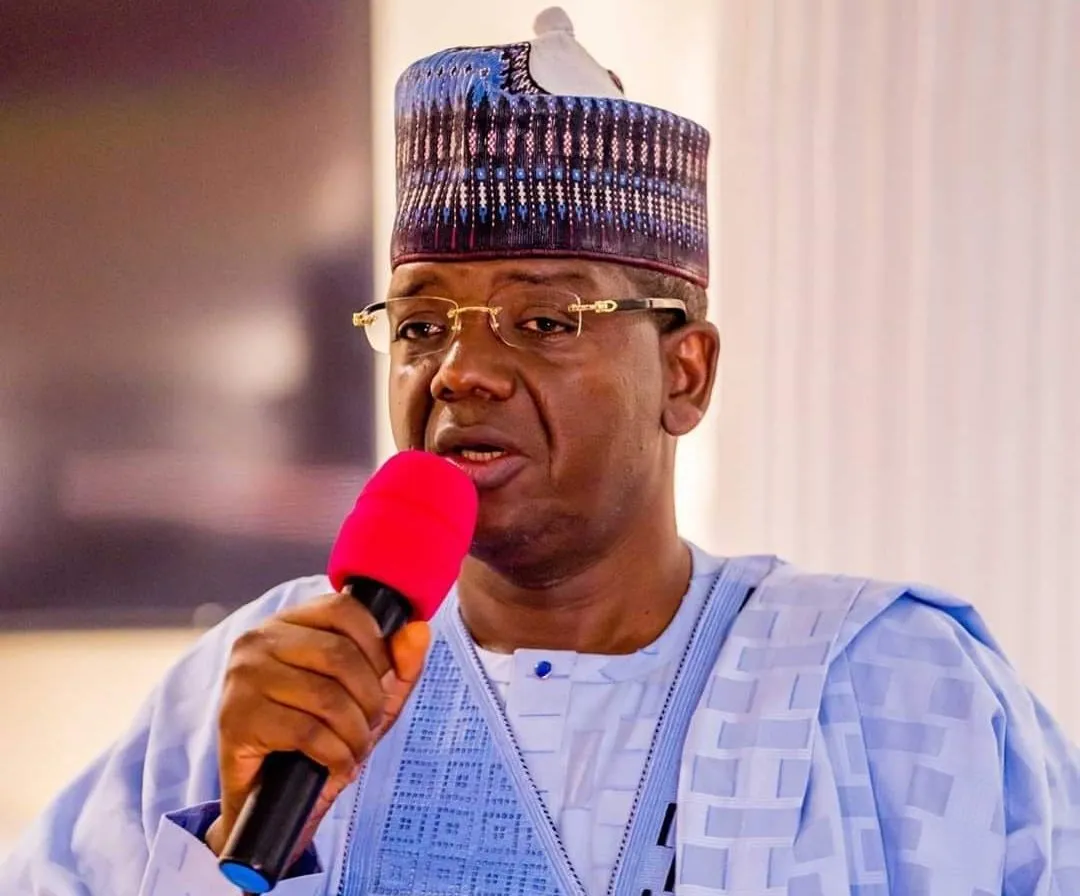 Matawalle Commended for Return of Zamfara Lawmakers to APC
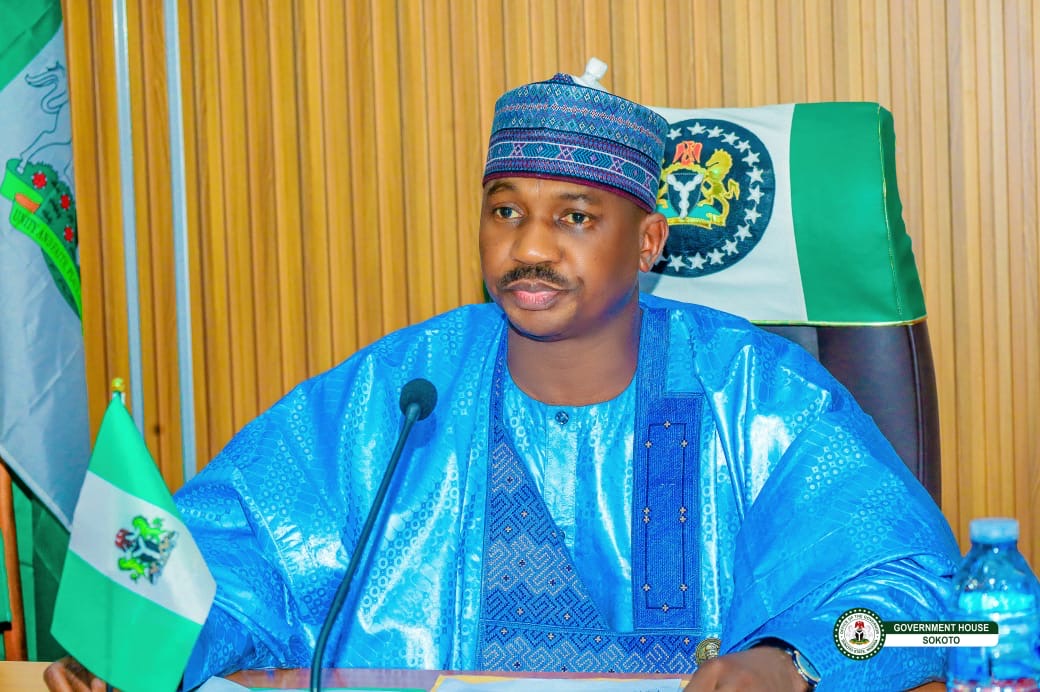 Sokoto: Governor Aliyu’s Security Strides By Sale Musbahu
 Terrorists Kill Five, Abduct Over 18, Set Houses, Market Ablaze in Niger
 Fulani Group Leaders Reject Continued Detention of Bello Bodejo
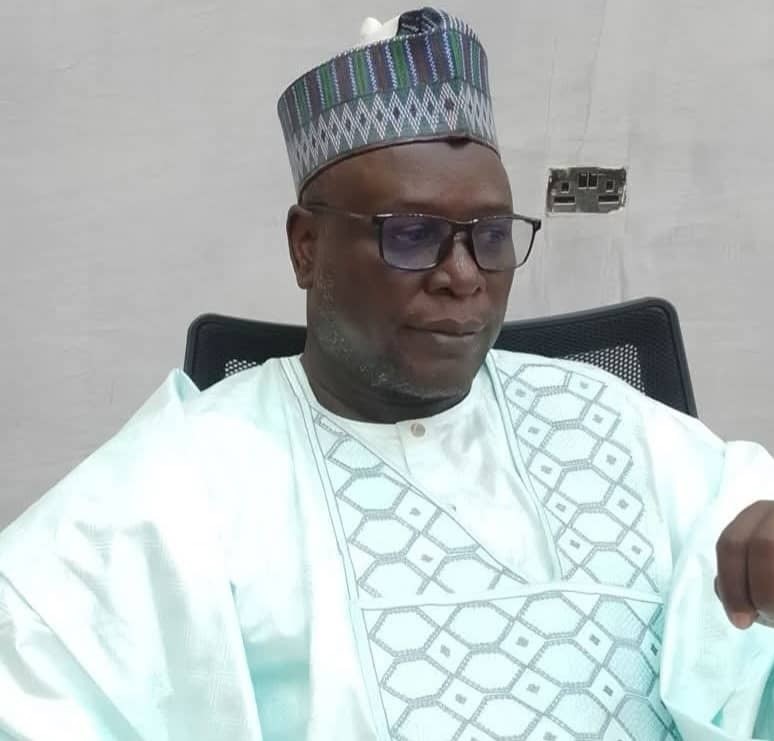 Kebbi Gov Idris Appoints Haliru Muhammad DG, Directorate of Protocol Affairs
 Plateau Attacks: Police Arrest Suspects, Intensify Hunt for Others
News from Nigeria and beyond.
Stay informed. See the bigger picture.
By Ahmed Liman Kingimi, MaiduguriThe Borno State Police Command has arrested six suspects for allegedly stealing a mobile phone and fraudulently …
A CLOSER LOOK
THE STORIES THAT MATTER
The Inspector-General of Police, IGP Olatunji Rilwan Disu, has received the Chief of Air Staff, Nigerian Air Force, Air Marshal S.K. Aneke, at the Force Headquarters in Abuja, with…
Jigawa State government has rejected the two-weeks ultimatum issued by the Academic Staff Union of Universities (ASUU) of the state-owned Sule Lamido University (SLU), Kafin Hausa,…
The Nigerian Postal Service (NIPOST), Gombe State Command, has called for stronger collaboration with the Gombe State government to improve postal and logistics services across the…
Dan'IyaSokotoThe governorship candidate of the African Democratic Congress (ADC) in Sokoto State, Manir Muhammad Dan’iya, has backed the decision of ADC's 2027 presidential candida…
The Nasarawa State House of Assembly Standing Committee on Youth and Sports Development has called on Governor Abdullahi Sule to revamp the comatose Akwanga Sports Academy, Nigeria…
By Balarabe Alkassim, Abuja The Registrar-General and Chief Executive Officer (RG/CEO), Corporate Affairs Commission (CAC) in Nigeria, Hussaini Ishaq Magaji, SAN, has disclosed tha…
FROM THE DESK
FROM THE DESK