Niger: In Support of Bago's Preachers Regulation Policy
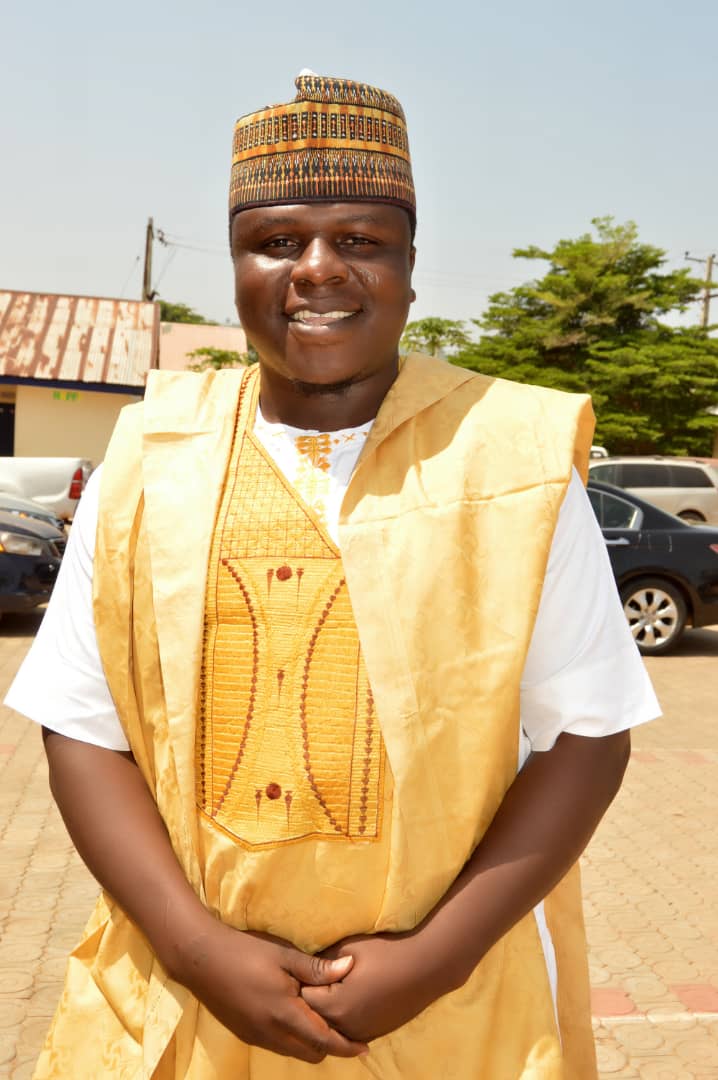
By Yahaya Kana Ismaila
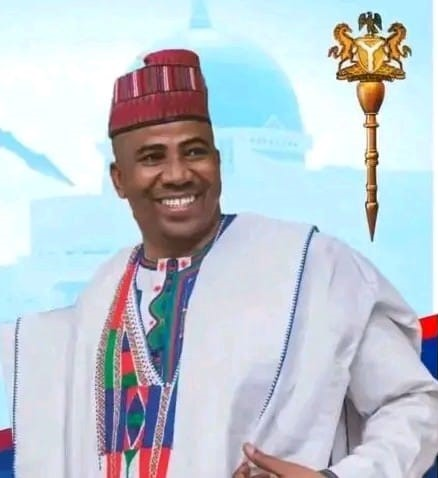
Governor Umar Bago of Niger State has worn many labels since the good people of the state elected him in 2023. He has been called the “farmer governor” because of his near-stubborn insistence on cultivating land on behalf of the state. He has also been praised for pushing critical infrastructure projects, while at the same time ridiculed for ventures such as the summary closure of Badeggi FM. Whatever name people choose to call him, the man has been a bag of results, albeit mixed-fortuned.
Yet, of all his policies, none has captured my interest like the recent decision to regulate religious activities in the state. From what I have read, preachers will now need certification before they can preach in Niger State. In addition, sermons are expected to be reviewed and approved before presentation.
According to the state government, the objectives of this policy are to "promote peace and harmony among citizens of different faiths, curb hate speech and incitement from the pulpit, prevent the use of religion for political manipulation, and foster responsible religious teaching that supports moral and social development." It is my sincere belief that these aims, if pursued dispassionately and without malice, could rank this policy as one of the most timely interventions of our era.
Nigeria has long allowed preachers almost unrestrained freedom. Sadly, that liberty has been misused in ways that has fuelled insecurity, docility, laziness, and a worrying lack of patriotism. Too often, the pulpit has become a hiding place for hate, where sermons are laced with incendiary narratives in the name of religion. The very tool meant to uplift society has been abused, becoming a weapon in the hands of those more interested in power and influence than in the spiritual growth and development of their flock.
I once listened to a Friday sermon where a cleric was blaming what he called "the greed" of people of North central for the deaths visited upon them by criminal killer herdsmen. I couldn't believe that a so called man of God would be justifiying the killing of many people who probably worship as he does. I had to restrain myself from calling him out right there in the open.
Like me, many times, people have had to sit in a religious gathering only to leave more agitated than inspired. I can't count how often sermons have drifted from matters of faith to the politics of the day, with clear undertones of endorsement or condemnation aimed at manipulating the minds of followers. Worse still, these so-called men of God sometimes cloak outright falsehood in scripture, creating divisions and stoking resentment. This unholy alliance between politics and religion has done untold damage to Nigeria’s social fabric.
Preachers have shamelessly turned their pulpits into campaign platforms, striking quid-pro-quo deals with dubious politicians. These "endorse me before your flock, and I will reward you with contracts, appointments, or patronage" deals recently got busted but they have been going on for ages. So long as our preachers get what they want, they don't care if after elections, these same politicians turn around to punish Nigerians with bad governance, leaving ordinary citizens to suffer the consequences of sermons that should have been spiritual but ended up being political bargains.
This is where the Niger State policy comes in as both courageous and necessary. For the first time in a long time, a state government is drawing a line and saying enough is enough. In my books, this policy is not about muzzling religion; it is about protecting the integrity of religion and ensuring it is not misused as a tool for hatred or political manipulation.
Some critics have argued that the policy amounts to censorship. They fear that reviewing sermons before presentation could create room for government interference in faith. Their concern is valid, but it misses the larger picture. The state government has not outlawed preaching; it has not banned religious gatherings. What it seeks is order, responsibility, and accountability. It seeks to ensure that religion, which wields immense influence over millions, is practiced in a way that builds rather than destroys.
Let us think about it for a second. Almost every crisis that has rocked Nigeria in the past decades has had a religious undertone. From violent clashes in the North to tensions in the South, from insurgency in the Northeast to communal violence in the Middle Belt — religion has been an ever-present trigger. Not religion in its pure form, but religion misinterpreted, twisted, and weaponised by selfish actors. If a policy can reduce even a fraction of this damage, then it is worth giving a chance.
Of course, I do not pretend that implementation will be easy. It might be nearly impossible for the federal government to roll out such a policy nationwide because of the scale of monitoring required. But nothing stops other states from taking a cue from Niger State. In fact, a decentralised approach may work better: states acting within their peculiar contexts to sanitise their religious space. What is needed is sincerity of purpose and fairness in application. Yeah, I know, we can't trust our politicians not to abuse it and I get it.
Yet, if effectively implemented, the policy could reduce public anger and social tension by nearly half. Simply, by putting unscrupulous preachers under scrutiny, the government can even the grounds, ensure accountability, and see behind the curtains long before evil is unleashed on innocent Nigerians in the name of religion. The goal is not to stifle genuine preaching but to protect citizens from manipulation and violence disguised as faith.
The fear for Nigerians is misapplication or selective enforcement of such a law. And truthfully, no one can say such fears are unfounded. In a country where institutions are often bent to serve the powerful, it is natural to worry that this policy could be used to silence opponents or settle scores. That is why transparency and inclusiveness must be built into its implementation. Religious leaders, civil society, and ordinary citizens must be carried along to ensure it does not become another tool of oppression.
But we must also face the hard truth! We are at a point in our national life where bold policies must stride our roads, or else we risk perishing under the weight of reckless freedoms. The status quo is unsustainable. Preachers cannot continue to say anything and everything in the name of freedom of religion, while society burns. Freedom, like every other human right, comes with responsibility. When freedom becomes a cover for destruction, it must be checked.
Governor Bago may not be perfect. He will certainly make mistakes, and like every leader, he will face criticism. But if this policy is executed with fairness and transparency, it could set Niger State apart as a pioneer of religious responsibility in Nigeria. In the future, we may look back at this decision as the moment when one state dared to put the brakes on reckless preaching and charted a course for a more responsible religious culture in our country.
The world is changing, and Nigeria must change with it. If religion continues to be misused as a weapon rather than a moral compass, then no amount of infrastructure or economic reform will save us. Niger State has started a conversation the rest of Nigeria cannot afford to ignore. The question now is whether we have the courage to follow through, or whether we will continue to allow our pulpits to dictate our politics and poison our society.
Yahaya writes from Kana and can be reached on kanaismail@yahoo.com