Flooding A National Emergency, Not A Seasonal Challenge - Reps
....Over 3M Nigerians Displaced By v Flood, Insecurity, Others-FG
By Balarabe Alkassim, Abuja
The House of Representatives has stated that flooding is no longer a seasonal challenge in Nigeria but a national emergency which demands urgent, coordinated, and strategic action to address it's devastating socio-economic impacts on the country.
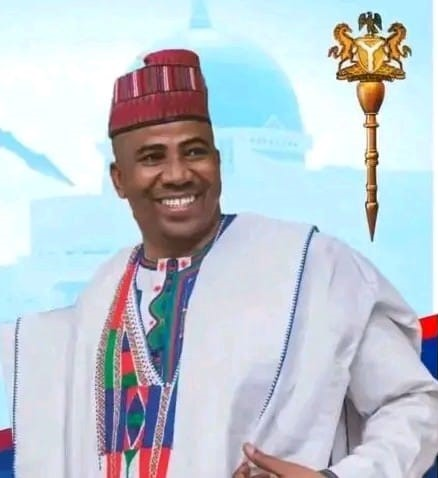
The Chairman, House Ad-hoc Committee on 'Flood Management and Response' Hon. Midala Balami stated this during the inauguration of the committee on Monday.
He said, "As we are all aware, flooding has become a recurring and devastating challenge across many parts of our country.
Each year, lives are lost, properties destroyed, livelihoods disrupted, and the socio-economic fabric of entire communities severely affected. This is no longer a seasonal inconvenience—it is a national emergency that demands urgent, coordinated, and strategic action.
"The establishment of this Ad-hoc committee reflects the commitment of the 10th House of Representatives to addressing this crisis head-on.
Our mandate is clear: to investigate the root causes, assess the preparedness and response mechanisms of relevant agencies, engage stakeholders at all levels, and recommend sustainable and actionable measures to mitigate the impact of flooding across Nigeria.
“The time for piecemeal approaches is over. What we need is a comprehensive national framework—one that encompasses prevention, early warning systems, emergency response, community resilience, infrastructure development, and climate adaptation strategies".
He urged all stakeholders—including civil society, private sector, and international partners—to join efforts in developing a sustainable national response to flooding and humanitarian emergencies.
The committee chairman promised that, the committee would investigate the root causes, assess agency preparedness, engage stakeholders, and propose lasting measures to mitigate the impact of flooding across Nigeria.
In his inaugural address, the Speaker of the House of Representatives, Abbas Tajudeen, who was represented by the House Leader, Prof. Julius Ihombvere, called on members of the committee to work towards providing both immediate and long-term solutions to Nigeria’s recurring flood crisis.
He lamented that flooding has in recent years caused devastating losses on Nigerian communities, destroying livelihoods, displacing families, and undermined development efforts.
He said, “Flooding goes beyond being a mere environmental issue. It is an economic, social, and humanitarian challenge.Every year, thousands of families are displaced, farmlands are submerged, and critical infrastructure is washed away. These tragedies demand deliberate and well-coordinated responses.
“The House expects this committee to identify both the immediate and long-term measures required to prevent loss of lives and property, while recommending strategies that will move the nation from reactive to preventive measures".
Speaker Abbas stressed that the 10th House of Representatives remains committed to addressing matters that directly affect Nigerians, including natural disasters adding that, the duty of lawmakers extends beyond lawmaking to anticipating challenges, strengthening institutions, and ensuring government responses meet the needs of citizens.
He therefore tasked the committee to identify gaps in Nigeria’s preparedness and recommend a clear roadmap for national resilience against flooding.
The Speaker further directed the committee to pay special attention to legislative gaps hindering effective flood management. Where laws are weak, outdated, or insufficient, he said, the House stands ready to strengthen the legal framework to better protect Nigerians.
He urged the committee to work closely with key agencies, including the National Emergency Management Agency (NEMA), the Ministries of Environment, Water Resources, Health, Works, and Housing, as well as state and local governments.
He also highlighted the role of the Nigerian Space Agency in providing satellite imagery for effective flood mapping.
He added, “Flood management requires the concerted involvement of all relevant stakeholders. Only a holistic and coordinated approach will ensure a sustainable response".
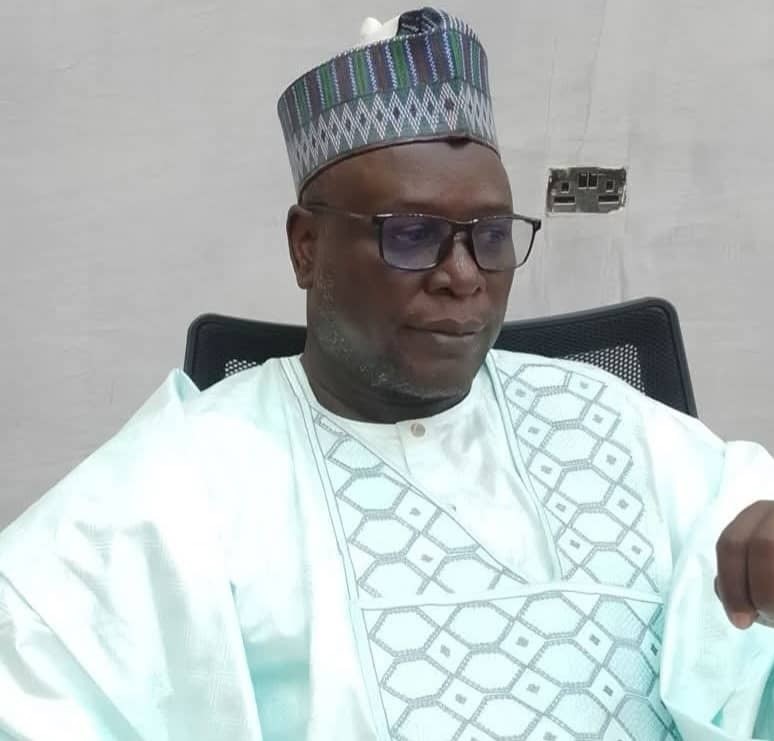
On his part, Minister of State Humanitarian Affairs and Poverty Alleviation Yusuf Tanko Sununu stated that more than 3 million Nigerians remained internally displaced by flooding, insecurity, and other natural disasters.
He warned that millions of citizens are also at risk of sliding deeper into hunger and malnutrition over worsening humanitarian crisis as global aid funding dwindles.
Sununu noted that the combined effects of natural disasters, insecurity, and shrinking donor support have created a “critical humanitarian challenge” for the country.
The minister stated that, "Globally, humanitarian funding is shrinking, and Nigeria is not exempt. Just a few days ago, the World Food Programme suspended some of its activities, which had supported more than 1.2 million Nigerians with emergency transfers in the North-East. This leaves over 300,000 children at risk of malnutrition, while more than 200,000 are already receiving treatment.”
Quoting a United Nations estimate, the minister stated that over 24.8 million Nigerians had suffered some form of hunger, adding that poverty remains unevenly spread across the country, with the North accounting for about 65 per cent of Nigeria’s poor population.
“Out of this 65 percent, more than 70 percent are small holder farmers. Sadly, most of them have lost their farmlands and livelihoods to floods and droughts.
"In response to the crisis, the federal government is strengthening interventions through the National Social Investment Programme (NSIP).
The minister disclosed that under the Government Enterprise and Empowerment Programme (GEEP), small holder farmers have received interest-free loans of ₦300,000 each to help them recover from losses".
He further revealed that more than 5.9 million households—approximately 25 million Nigerians—have benefited from ₦419 billion in conditional cash transfers.
The funds, he explained, wrre meant to cushion the impact of economic hardship and sustain vulnerable families.
He added, “These efforts are part of President Bola Tinubu’s commitment to ensuring that Nigerians maintain dignity of life despite economic challenges. With the support of the House of Representatives, we will continue to work to protect vulnerable households and restore livelihoods".
The minister commended the National Assembly for setting up a dedicated committee to oversee humanitarian interventions. He expressed optimism that the move would strengthen transparency and improve the delivery of aid to affected communities.
According to records, Nigeria has been one of the hardest-hit countries by the global humanitarian funding squeeze. The United Nations recently warned that its $4.7 billion humanitarian appeal for West and Central Africa is only 36 per cent funded, forcing agencies like the WFP to cut food rations across the region.