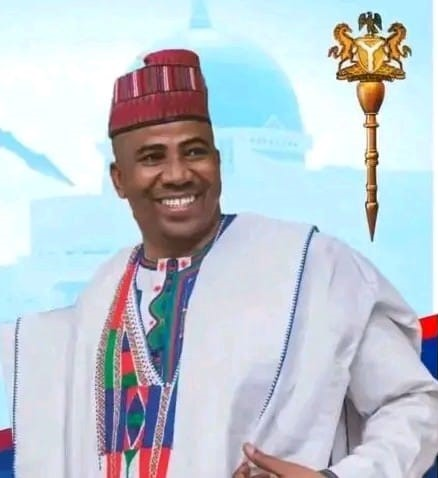
The Governor of Cross River State, Prince Bassey Otu, has advocated for a comprehensive legislative reform aimed at empowering states in the management of mineral resources.
Governor Otu made the advocacy, Wednesday, when members of the House of Representatives Committee on Solid Minerals paid him a courtesy visit in Government House, Calabar, the State capital.
He re-emphasized Cross River State’s rich mineral deposits, stating that, “Without any fear of equivocation, Cross River State is one of the solid mineral hubs in Nigeria.”
Otu, who also highlighted the commercial quantities of limestone, granite, gold, uranium, barite, iron ore, kaolins, manganese and other minerals available within the state, expressing hope that their exploration could bolster the state’s revenue, however, lamented that, “for now, this is a dream that is yet to come true.”
The Governor pointed out the legal challenges posed by existing federal laws, specifically the 1999 Constitution, which grants the Federal Government exclusive control over mineral resources.
“Here lies the albatross of solid minerals development in States, including Cross River State,” he stated, referencing the Nigerian Minerals and Mining Act 2007 and the Land Use Act of 1978, which complicate the state’s ability to manage its resources effectively.
Otu also raised concerns about the environmental impact of mining operations, noting that, “While the Federal Government is drawing huge revenue from these minerals, the locals are constantly blighted by air and water pollution,” and called for a fair and honest discussion on how to equitably manage the resources to benefit local communities.
The Governor, who further proposed several amendments to the relevant laws, stressed that, “the House of Representatives should include the amendment of the relevant Acts in regard to Land Administration in the ongoing Constitutional Amendments.”
He also advocated for the ownership of solid minerals to be included in the Residual List, allowing states more control over their natural resources.
“The amendments, if enacted, will improve the livelihoods of citizens, reduce illegal mining, and ultimately lead to a rise in the state’s Gross Domestic Product,” he added.
Otu reiterated the importance of articulating Cross River State’s position in the ongoing constitutional discussions, stating that, “your visit is very apt, considering the worrisome control of almost all the vital sources of revenue to the State by the Federal Government.”
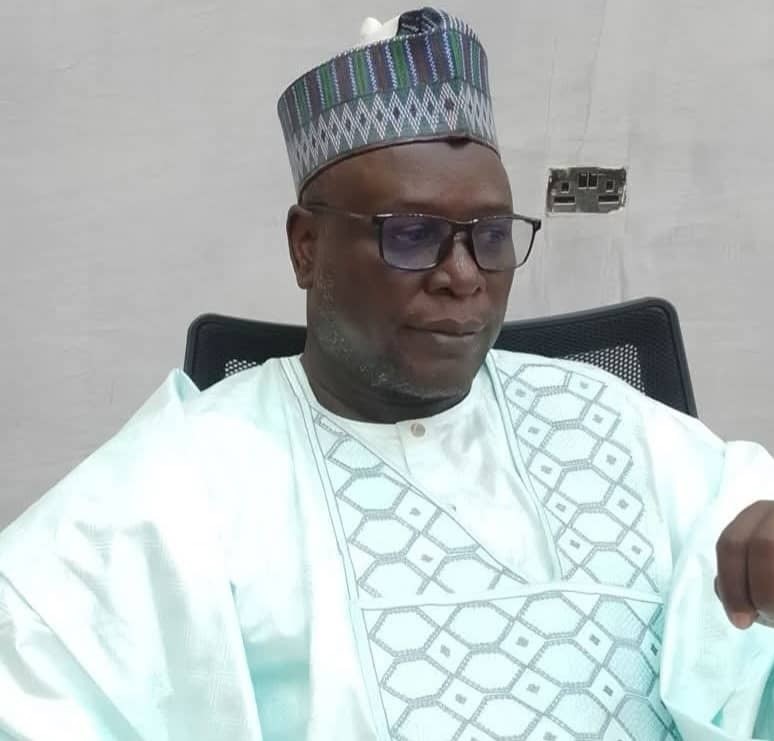
Speaking earlier, the House Committee Chairman on Solid Minerals, Hon. Gaza Jonathan said their visit to Cross River State was to investigate the compliance of mining companies with the Minerals and Mines Act 2007 and the Explosive Act and to participate in an Expo on Solid Minerals.
Jonathan expressed concerns over illegal mining and its detrimental effects on communities.
“We must take a critical look at how our people are actually getting their share of the minerals being exploited,” he said, and stressed the need for improved governance and adherence to laws designed to benefit local populations.
He also stressed the importance of remediation and reclamation following mining activities, citing successful examples from abroad where such efforts have transformed former mining sites into tourist attractions.
“These areas should be filled back,” he insisted, referencing the tragic consequences of poorly managed mining operations that have claimed lives in places across the nation.
The Committee Chairman urged the State Governor to formalize the consent process for mining activities to ensure that communities benefit from their resources.
Jonathan further advocated for agreements that would clarify the relationship between mining companies and local communities and promote sustainable development in the State.